 by
by This is a guest article by Lucy Reed (For more information contact lucy@gigmine.co).
For beginner homesteaders who love the work but want the land to pull its weight, hobby farm monetization can feel like a tempting idea with a hard edge. The core tension is real: turning weekend chores into a small-scale farming business means trading some freedom for schedules, customer expectations, and the risk of putting money into something that might not sell. The upside comes when diversified farm products match what people already buy in local agricultural markets, so effort turns into predictable demand instead of hopeful posting. Done thoughtfully, a hobby farm can start paying back in a way that lasts.
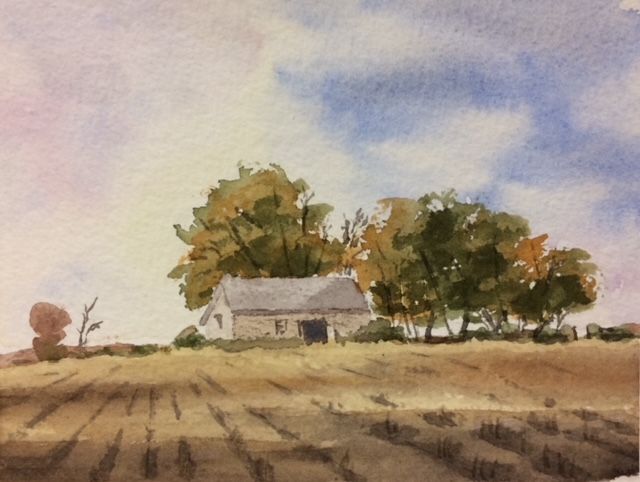
“Field Furrows” Watercolor Painting.
Build a Start-to-First-Sale Plan for Your Farm
This process helps you go from “we might sell something someday” to a clear first product, a simple brand, and a real first sale. It matters because small, repeatable steps keep you from over-investing in equipment, packaging, or inventory before you know what customers actually want.
- Pick one buyer and one “hero product”
Start by deciding who you are selling to and what single item you want to be known for first. Understand your target customer as your filter for everything that follows, including pricing, packaging size, and where you sell. Keep it simple: one product, one format, one promise. - Create a basic farm brand you can repeat
Choose a farm name, a short tagline, and 2 to 3 brand cues (colors, a simple logo mark, or a photo style) you can use everywhere. Write one sentence that explains what you produce and why it is worth buying from you (freshness, practices, convenience, local relationship). Consistency is what makes you recognizable at a market table and online. - Set up packaging and labeling for trust and speed
Pick packaging that protects the product and makes it easy to carry, store, and gift without extra explaining. Create a clean label with your farm name, product name, net weight or count, basic ingredients if applicable, and a contact method (email, social handle, or website). Do a quick “table test” by packing one batch and timing yourself so you do not create a bottleneck on harvest day. - Choose your first sales channel, then sell direct
Start with direct-to-consumer because it gives fast feedback and better margins, such as pre-orders to neighbors, porch pickup, or a small CSA-style drop. If you want a predictable outlet, explore a stable buyer for goods through simple agreements with a local café, boutique grocer, or buying club. Define your order cutoff, pickup window, and payment method before you announce anything. - Run a farmers market and online playbook for the first 30 days
For farmers markets, show clear prices, offer a small “starter bundle,” and practice a 10-second pitch that matches your label and signage. Online, post the same three basics every week: what is available, how to order, and when pickup happens, then link people to one simple order form or direct message script. Track what sold out, what got ignored, and what questions you answered repeatedly so you can adjust next week.
Create a One-Page Farm Brochure That Sells for You
Once you’ve mapped your first path from “idea” to “first sale,” make it easier for customers to understand, and choose, what you offer. A simple, tried-and-true tactic is a one-page farm brochure (or price sheet) you can hand out, email, or post as a PDF. Pair a short bit of farm storytelling, who you are and what makes your products special, with clear, scannable details: what’s available, sizes or options, and current prices. When people can see everything at a glance, they’re more likely to buy (and less likely to bounce back with basic questions).
If your brochure pulls from separate graphics, text blocks, or charts, keep it all in one tidy file by adding pages to your PDF with an online tool, check this out, and use it to reorder, delete, or rotate pages as your offerings change.
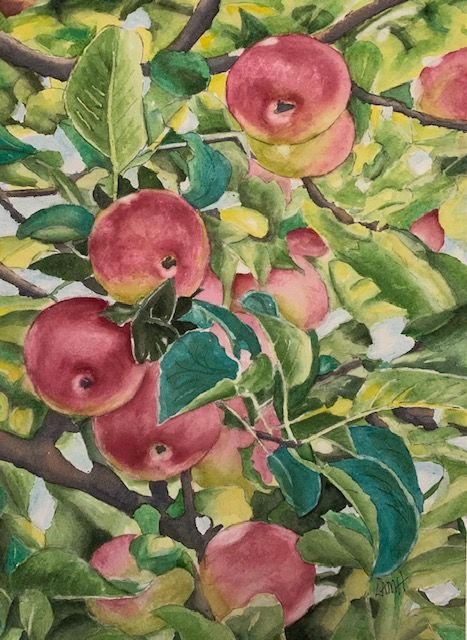
“Apples” Watercolor Painting.
Plan → Produce → Sell → Track → Improve
To connect your sales materials to real income, run your farm like a seasonal loop. This rhythm keeps you from guessing what to grow, when to sell, and whether the effort paid off. It also gives you a calm way to respond when markets shift, since net farm income can swing year to year.
| Stage | Action | Goal |
| Plan the season | Pick 1 to 3 offers; set costs, prices, and weekly capacity. | Clear targets for time and cash needs. |
| Forecast sales | Estimate weekly demand; set preorder dates and pickup windows. | Fewer surprises and better harvest timing. |
| Produce with priorities | Schedule chores; batch tasks; protect quality and consistency. | Reliable output without burnout. |
| Sell and fulfill | Use one price sheet; confirm orders; deliver and restock. | Smooth buying experience and steady cash flow. |
| Track and reflect | Log sales, expenses, and hours; review what sold fastest. | Know what to repeat, cut, or raise prices on. |
| Adjust and grow | Update the plan; test one new channel or product. | Gradual expansion with manageable risk. |
This works because each stage feeds the next: planning sets constraints, forecasting guides production, and tracking turns busy weeks into useful data. When you adjust based on what actually happened, your next cycle gets simpler and more profitable.
Hobby Farm Business FAQs People Actually Ask
Q: What permits or rules do I need before I start selling?
A: Start with what you sell and where you sell it, since food, eggs, meat, and on farm events can have different requirements. Make a simple compliance checklist, then confirm details with your local agriculture office, health department, and zoning board. This is common to navigate, and 51% of small businesses say regulations can hold back growth.
Q: How do I know if I am actually making money, not just staying busy?
A: Track three numbers weekly: sales, direct costs, and hours worked. Then price for both profit and capacity, so you are not selling out at a loss. A practical first step is to create a cash flow budget that shows when money comes in and when bills hit.
Q: What marketing should I do if I only have a small audience?
A: Pick one clear buyer type and one promise you can deliver consistently, like “Friday salad boxes” or “pasture raised eggs weekly.” Strong marketing starts when you narrow down your target audience and say no to everything else for a season.
Q: How can I keep customers coming back instead of making one time sales?
A: Make repeat buying easy with subscriptions, preorders, or a simple punch card for frequent shoppers. Then protect trust: consistent quality, clear pickup instructions, and quick communication beat flashy branding.
Q: When should I quit adding new products and focus on what works?
A: When you cannot fill orders on time, your quality slips, or you are forgetting to record expenses, it is time to simplify. Pause new ideas for one cycle and improve one bottleneck, like harvest, packing, or checkout.
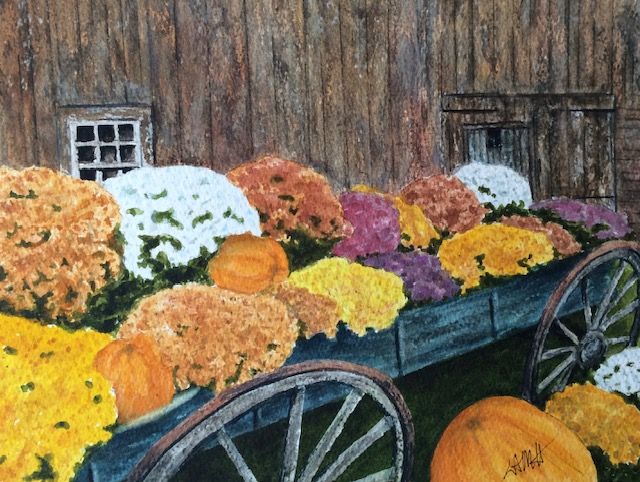
“Mums For Sale” Watercolor Painting.
Start With One Farm Offer and Build Sustainable Income
It’s easy to feel stuck between loving farm life and needing the numbers to work, especially when rules, costs, and marketing questions pile up. The way through is simple: keep an entrepreneurial mindset, keep decisions small, and keep applying farm business strategies that match your time, land, and customers. Do that, and sustainable farm income starts to look less like a dream and more like a repeatable routine, backed by successful hobby farm stories that began the same way. Profit comes from one clear offer sold consistently, not a dozen half-finished plans.
***
Interested in receiving helpful art-related information? Join me (leemuirhaman.com) and get painting and business tips, inspiration, recent art news, or information about new art or products for sale, sent to you occasionally by email. Subscribe here. I’ll give you a free copy of my Color Blending Tips pdf. that you can download and print.


1 Comment